
PALM COAST, Fla. – Nearly two years after Palm Coast and Flagler County officials first discussed plans for a new animal shelter, the two governments are moving forward with planning the facility.
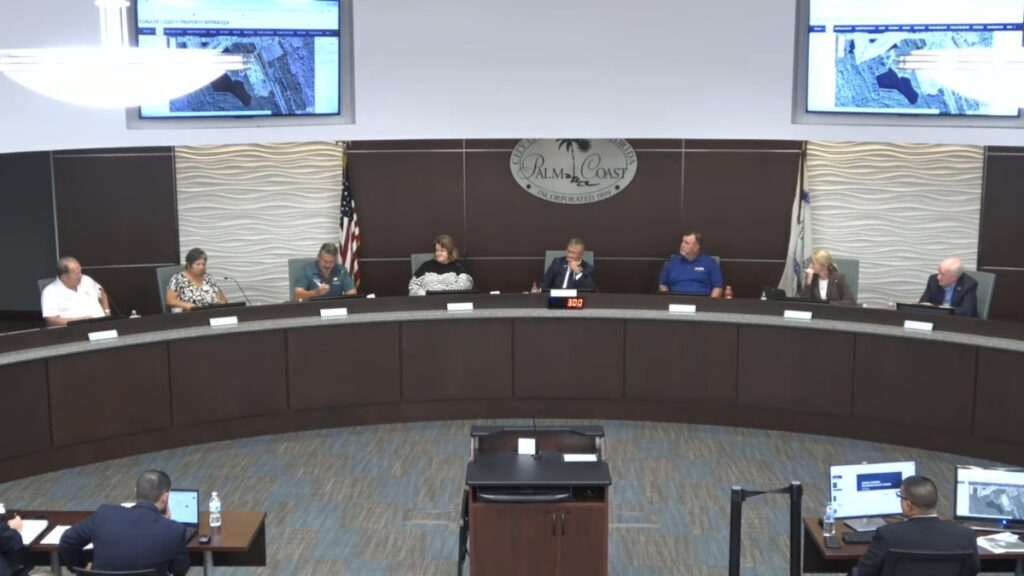
City and county officials met Wednesday to revisit the long-discussed shelter proposal, weighing how the shelter could be built, funded and operated as they work toward a plan both governments can support.
The proposed facility would add another place in Flagler County to house lost and stray animals, initially focusing on dogs before expanding to accept cats in a later phase. Plans have also called for the shelter to provide triage care, adoptions and community outreach.
S.M.A.R.T. of Flagler County, the organization expected to operate the shelter, says the additional space is already needed.
“We are overloaded. We don’t have enough fosters for our dogs,” S.M.A.R.T. founder Caroline Johnson told officials. “We have seven in boarding right now that we are paying by the day, and it’s very costly, so I’d like to see something moving soon. Not 2030, but sooner that we can get something moving.”
Finding somewhere to put those animals has been one of the central questions officials have spent months trying to answer.
Since a previous joint meeting on Jan. 29, a city-county task force has explored several possibilities, including expanding the existing Flagler Humane Society, building on government-owned property and accepting an offer from a private donor to provide up to 10 acres for a new shelter.
The donated property offered room to build and expand without the cost of purchasing land, but came with other expenses. The agricultural property lacks potable water and sewer service and would require rezoning, while the Florida Department of Transportation estimated a required turn lane from U.S. 1 would cost about $500,000. Altogether, officials estimated preparing the property could cost about $900,000.
That led officials Wednesday to focus much of their discussion on land Palm Coast already owns just behind its Public Works complex off of highway US-1.
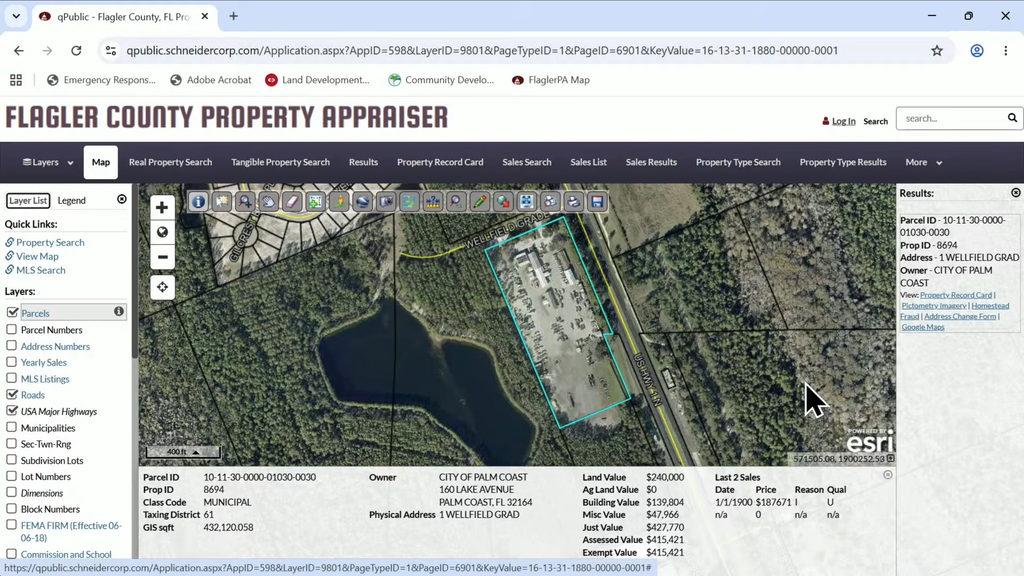
About three acres are currently cleared and could be used to begin developing the shelter. The entire property encompasses nearly 10 acres, which could eventually become available as Public Works relocates and its existing building is demolished.
Public Works is not expected to completely vacate the property until 2030, leaving officials to consider how the shelter could begin operating before the entire site becomes available.
Rather than wait, officials discussed using modular buildings to begin housing animals on the three acres available now and expanding the shelter in phases. Officials also considered another city-owned parcel across the street that could provide additional room in the future.
“This is an Occam’s razor kind of thing,” Palm Coast Mayor Mike Norris said. “This is like, for me, the quickest solution.”
The size and layout of the shelter would be determined through the next stage of planning.
Earlier discussions envisioned room for roughly 80 to 100 dogs, based in part on the recently completed facility in Putnam County. S.M.A.R.T. must now develop a plan for the Palm Coast property showing both an initial facility and how it could expand as more land becomes available.
S.M.A.R.T. was the only organization to respond when Palm Coast sought groups interested in operating the new shelter.
Officials asked for a design that accounts not only for kennels, but also parking, stormwater management and space for administrative, adoption and veterinary services.
“I’d be thrilled if we can move forward sooner, but I don’t feel like we have enough,” Palm Coast Vice Mayor Theresa Pontieri said.
Cost will depend on what that plan ultimately includes.
Related: Palm Coast considers animal control changes
Palm Coast weighs turning animal control over to Flagler County
Palm Coast could turn its animal control operation over to Flagler County as officials consider how consolidating the service would affect staffing, costs and coverage.
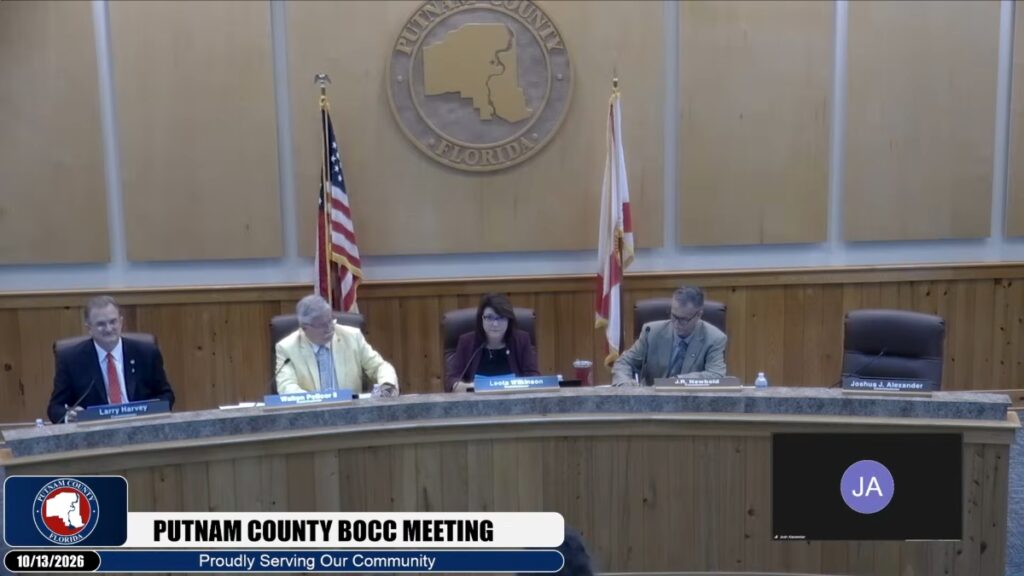
Officials are using Putnam County’s recently completed shelter as a cost benchmark. That project, which included multiple kennel buildings along with administrative and veterinary facilities, cost just over $3 million to build.
Preparing the property would carry its own costs. Officials estimated about $500,000 for initial site work, though that figure does not include the full cost of designing and developing the shelter.
So far, officials have identified $750,000 in potential public funding for the Flagler project: $250,000 from the state, with Palm Coast and Flagler County each committing another $250,000.
Paperwork submitted for the state funding anticipated completing the project by September 2027, although officials said Wednesday it was unclear whether the grant requires the money to be spent by a specific deadline.
S.M.A.R.T. is also expected to raise private money to help develop the shelter, something Johnson said would require assurances about the organization’s ability to continue using the city property before it invests in buildings there.
“We’re definitely committed. We would have to work through all the kinks,” Johnson said. “I mean, if we’re going to fundraise and we’re gonna help cover the buildings and buy buildings, we would definitely need some security as far as the land.”
The legal arrangement between the city and S.M.A.R.T. has yet to be worked out.
Officials say the new facility would not replace the Flagler Humane Society, which currently shelters animals for Palm Coast and provides animal control and sheltering services for Flagler County.
Instead, they envision both shelters continuing to operate, adding another place for animals to go as Flagler County’s population – and the demand for sheltering services – continues to grow.
Under the system discussed Wednesday, voluntarily surrendered animals would continue going to the Humane Society, while the new shelter would primarily take in lost and stray animals.
The push for another shelter began amid concerns about whether the existing system could accommodate the county’s growing population and future sheltering needs. The proposal has since become intertwined with an increasingly strained relationship between local officials and the Humane Society.
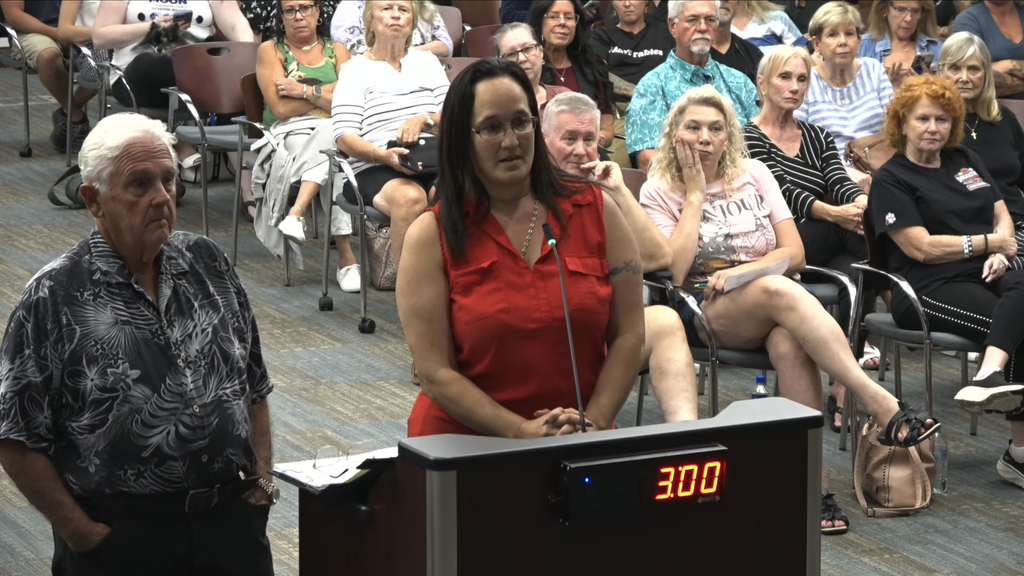
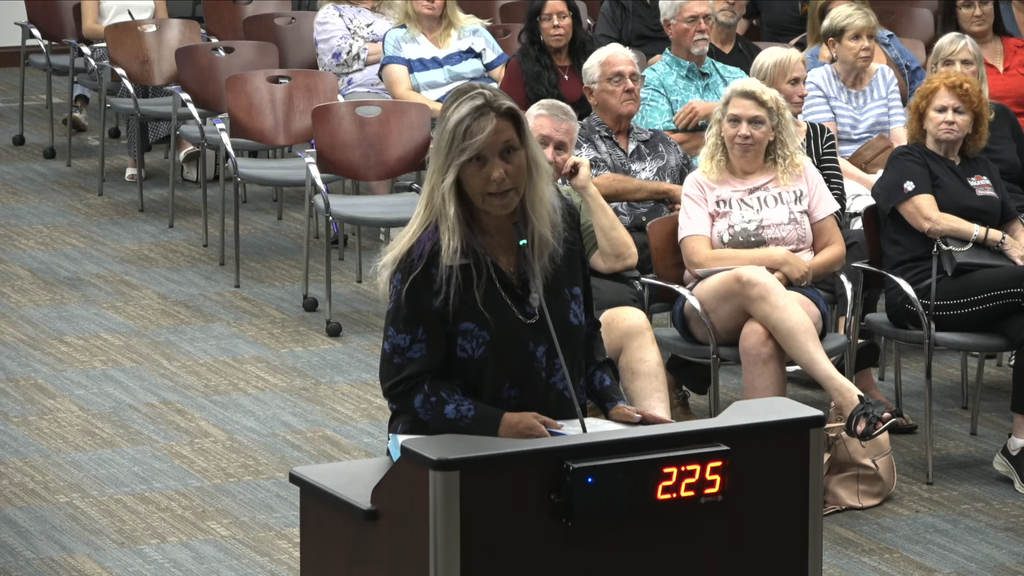
That tension was on display Wednesday, when supporters of S.M.A.R.T. and the Humane Society packed the meeting and several residents questioned why the city and county would build another facility rather than invest in expanding the shelter already operating in Flagler County.
Some speakers argued that the Humane Society already has staff and infrastructure to care for animals and questioned whether officials had adequately compared the cost of expanding the existing shelter with building another one.
Flagler Humane Society Executive Director Amy Carotenuto also pushed back on claims that the shelter was preparing to vacate or was unavailable after hours.
“I can assure you that the Humane Society will not be vacating,” Carotenuto said. “We have plenty of work to do, although right now we do have some empty kennels, but we are business as usual.”
Carotenuto said that while the shelter itself closes at night, animal control officers remain available around the clock to respond to calls from dispatch and assist sheriff’s deputies.
“We are 24/7 for animal control and animal services,” Carotenuto said.
Pontieri, who serves as Palm Coast’s liaison to the Humane Society, pushed back on suggestions that the city was trying to force the organization out.
“For those who are very frustrated and feel the Humane Society is being ganged up on, it absolutely is not,” she said.
Palm Coast still plans to contract with the Humane Society for sheltering services, she said, and the amount currently budgeted for the next fiscal year represents a 10% increase over the negotiated contract amount.
But Pontieri said the city has grown frustrated with what she described as difficulty obtaining information about the Humane Society’s finances and plans for expansion.
Pontieri said she has requested copies of the Humane Society’s budgets in an effort to better understand its costs but was told the organization did not want to provide them in a way that would make them public records. She also said the Humane Society declined to provide a report examining its operations that was prepared by a University of Florida consultant. Pontieri is scheduled to review the financial records in person at the shelter Sept. 21.
“Whatever organization operates in our community for animals has to operate with full transparency, hard stop,” Pontieri said.
She also said officials have repeatedly sought more information about how the Humane Society intends to expand its facility to accommodate future demand.
County Commissioner Andy Dance said officials had previously been asked to keep the Humane Society involved in the discussion and wanted to see what expansion of the existing shelter might look like. He said Wednesday he had yet to see definitive plans.
Dance also criticized how sharply the issue had divided those who attended the meeting.
“This should have been a meeting more about us coming together on future plans for the benefit of our community and the animals,” he said.
Officials directed staff and S.M.A.R.T. to return with more detailed plans for the Public Works site, including updated costs and a design showing how the shelter could be built and expanded in phases.