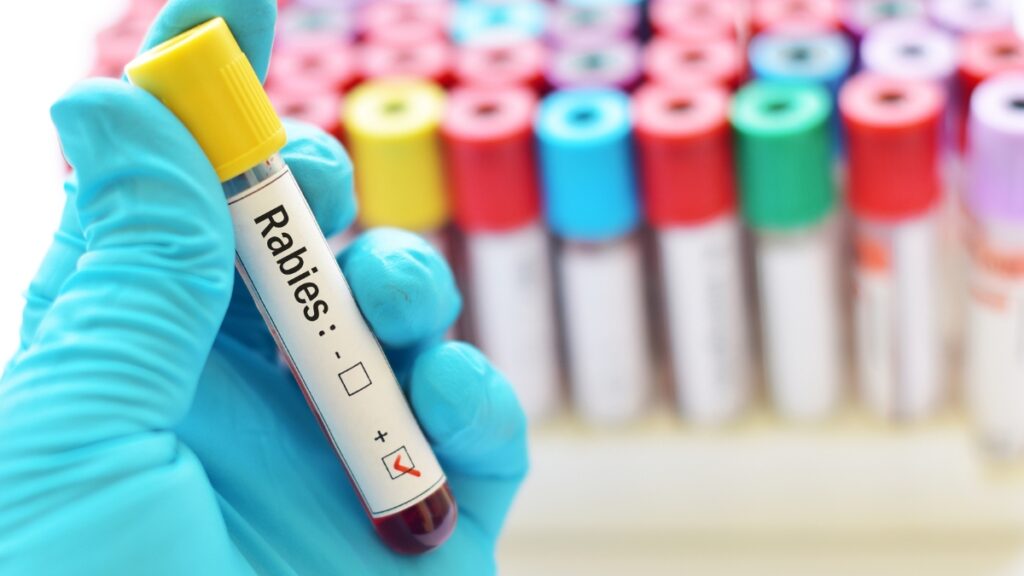

ST. AUGUSTINE, Fla. — The Florida Department of Health in St. Johns County has issued a rabies alert after a wild animal tested positive for the virus in St. Augustine, warning residents to take precautions to protect themselves and their pets.
Health officials confirmed that a raccoon killed Aug. 28 in the St. Augustine South area near Queen Road and U.S. 1 tested positive for rabies.
The case is a reminder for dog owners to make sure their pets are up to date on their rabies vaccinations and to prevent them from coming into contact with wildlife. Florida law requires dogs 4 months and older to be vaccinated against rabies. They must get another shot a year after their first vaccination, with future boosters given based on the vaccine used.
Rabies can spread to dogs and other domestic animals through contact with an infected animal, most commonly through a bite. Raccoons, bats, foxes, skunks, otters, bobcats and coyotes are among the wild animals that can pose a rabies risk in Northeast Florida.
The St. Johns County case is the county’s first confirmed rabies case this year, but not the first detected in the region this year. In Volusia County, an unvaccinated cat captured near A1A and Hartford Avenue in Daytona Beach tested positive in late June, prompting officials to issue a 60-day rabies alert in July.
Related: What dog owners should know about heartworm
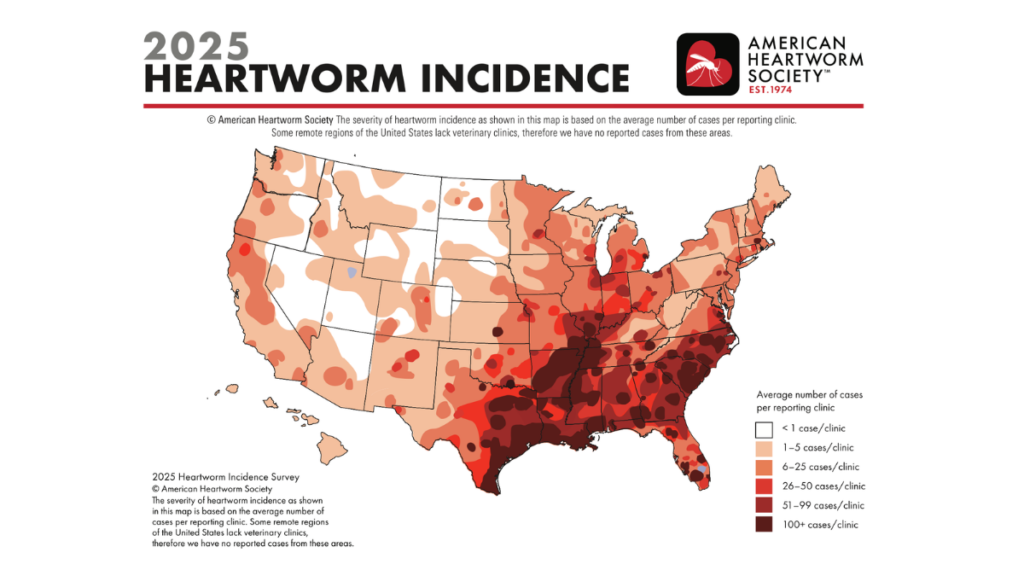
Heartworm is spreading beyond the Southeast, but many dogs remain unprotected
Heartworm is preventable, yet dogs are still getting sick. Why are so many going unprotected?
DOH-St. Johns is urging residents to keep pets under direct supervision and on a leash and to prevent them from coming into contact or interacting with wild or stray animals. Pet food and garbage should also be secured so they do not attract wildlife.
Anyone whose pet is bitten by another animal should seek veterinary care immediately and contact St. Johns County Animal Control at 904-209-6190.
People who are bitten or scratched by a wild or domestic animal should seek medical attention and report the incident to DOH-St. Johns at 904-506-6081.