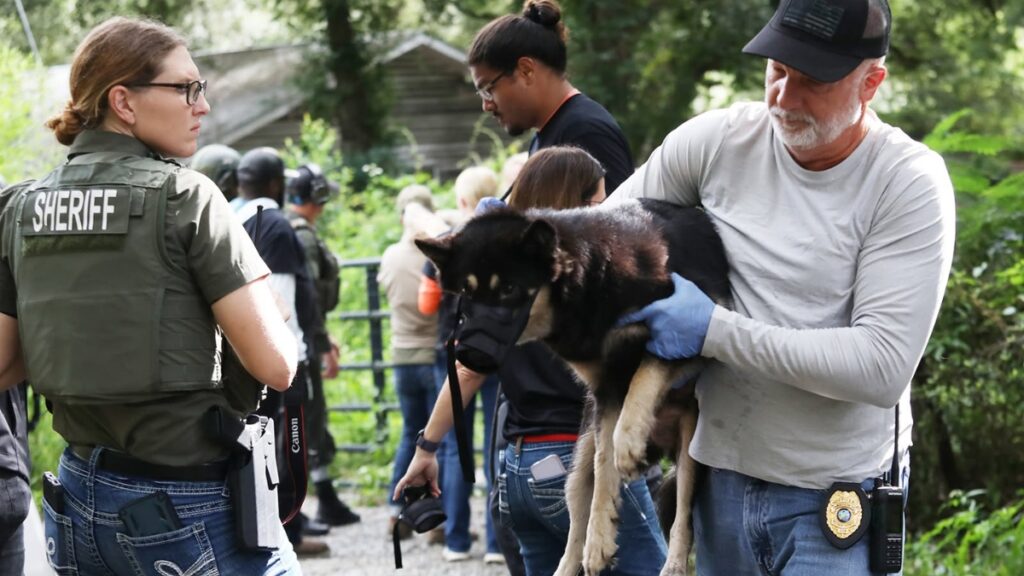
Florida has barred rescue and shelter dogs and cats from entering the state under expanded restrictions aimed at preventing the spread of New World screwworm.
The restrictions apply to rescue and shelter animals originating from areas covered by the state’s emergency rule, which was expanded after additional screwworm cases were confirmed in Texas and New Mexico.
Florida has not reported any cases of New World screwworm. State officials said the updated restrictions are intended to keep the parasite from entering the state as cases continue to emerge elsewhere in the country.
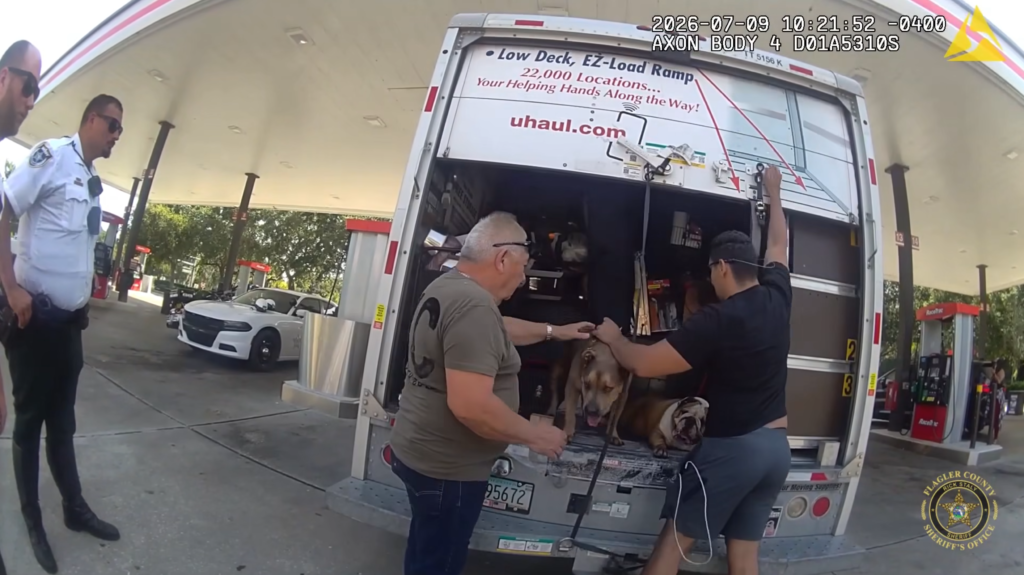
The move could affect rescue groups that routinely transport dogs and cats across state lines to shelters and adoption organizations with available space.
Florida officials said rescue and shelter animals from areas affected by the emergency rule will no longer be allowed into the state as they work to prevent the parasite from gaining a foothold here. The expanded restrictions follow additional screwworm cases in Texas and New Mexico, including a confirmed case in a dog in New Mexico, according to the U.S. Department of Agricutlure.
“As additional detections have been confirmed in Texas and New Mexico, we are strengthening what are already some of the strongest protections in the country to keep Florida prepared and protected,” Simpson said in a statement.
While screwworm is most often associated with livestock, the parasite can also infect dogs, cats, wildlife and other warm-blooded animals.
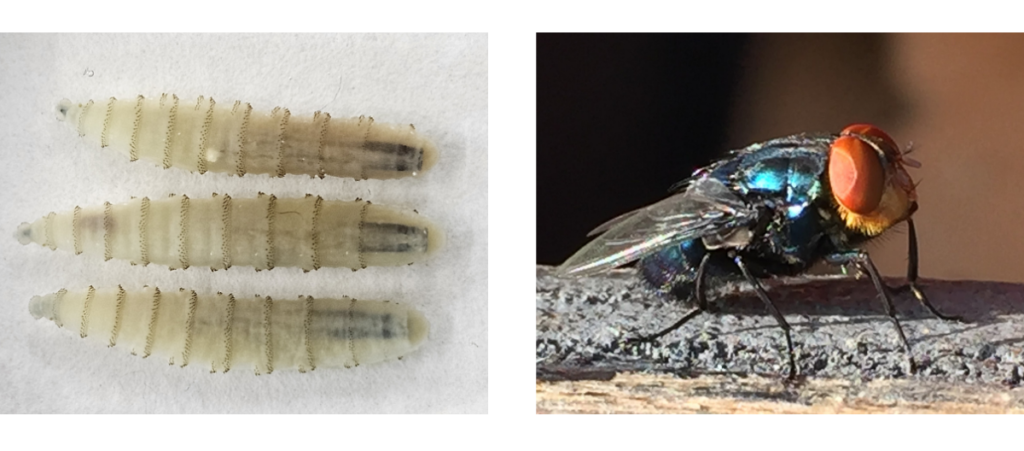
New World screwworm is the larval stage of a parasitic fly that lays eggs in open wounds or other exposed tissue. After the eggs hatch, the larvae burrow into the wound and feed on the living flesh, creating painful injuries that can worsen quickly if left untreated.
The parasite was eradicated from the United States decades ago, but remains a concern because infected animals can transport it across borders. The recent cases in Texas and New Mexico prompted Florida officials to issue emergency restrictions earlier this month and later expand those measures as additional cases were confirmed.
Beyond the restrictions on rescue and shelter animals, the revised rule expands Florida’s definition of an infested area to include counties surrounding confirmed cases.
The Florida Department of Agriculture and Consumer Services said it will continue coordinating with federal agencies, veterinarians, livestock producers and wildlife officials as the situation develops.
For dog owners, the restrictions do not mean screwworm has been found in Florida. Instead, officials say the measures are intended to prevent infected animals from bringing the parasite into the state while cases continue to emerge elsewhere.