
Dogs may be affecting the air inside homes more than people realize.
A new study published in the journal Environmental Science & Technology found that dogs affect indoor air quality by releasing multiple types of air pollutants, including gases, microbes and particles. Scientists in Switzerland studied just seven dogs — four Chihuahuas, a Tibetan mastiff, a Newfoundland and a mastiff — grouping them by size and placing them in a controlled chamber with their owner.
The study found that large dogs emitted higher levels of carbon dioxide, ammonia and certain microbes, while smaller dogs stirred up more airborne particles, likely because they were more active during the experiments.
Researchers also detected higher levels of volatile organic compounds, or VOCs, along with airborne particles such as dust, fur and microbial material when dogs were present.
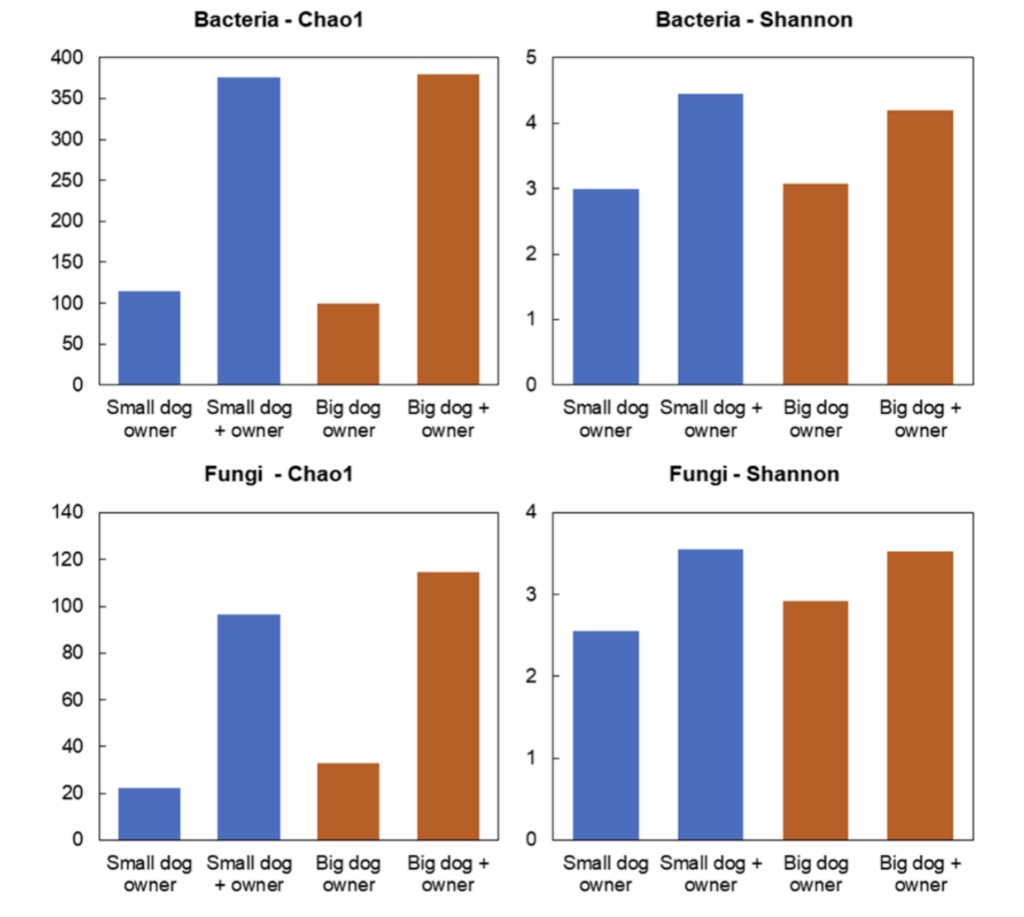
Scientists observed that dogs release these pollutants through breathing and skin shedding. Their fur can also act as a “mechanical vector,” trapping dust, bacteria and fungal spores outdoors and bringing them inside.
Large dogs produced roughly the same levels of ammonia and carbon dioxide as “a seated adult human,” suggesting they can add about as much of those gases to the air as another person in the room.
Overall, the researchers found that dogs can release some pollutants at levels similar to humans, particularly larger breeds. Even so, scientists say there has been little research into how pets influence indoor air quality.
“Pets are part of our indoor environment,” study co-author Dusan Licina said in a statement. “By quantifying what dogs add to indoor air, we can build more realistic indoor air quality and exposure models and better inform ventilation strategies — without blaming pets or discouraging pet ownership.”